






On Page SEO is the process of optimizing individual pages on your website to help search engines understand your content and help users find useful information. It includes optimizing titles, headings, URLs, content, images, internal links, and other important page elements. For beginners, understanding On Page SEO is an important step toward creating a website that is easier to understand, navigate, and discover through search engines.
On Page SEO Checklist: What Does It Include?
On Page SEO includes several important elements that can improve the quality and structure of a webpage. These include page titles, headings, keywords, images, internal links, URLs, content structure, and user experience.
Why Do We Need SEO?
Imagine you have a great website, but very few people know it exists. That's where SEO can help. When people search for information related to your business, SEO helps search engines understand which pages on your website may be relevant to those searches. For a business website such as finovix.blog/, SEO can help you build visibility around topics such as:
- Business ideas
- Small business tips
- Online business
- Digital marketing
- Finance
- Entrepreneurship
- Business growth
Important: SEO does not guarantee a #1 Google position. Search results depend on many factors, and Google continually updates its systems.
How Does SEO Work?
Understanding On Page SEO can help website owners organize their content so both users and search engines can understand each page more clearly.
What Are Keywords in SEO?
Keywords are an important part of On Page SEO because they help connect your content with the questions people search for online.
For example:
Search query: “small business ideas in Pakistan.” Possible keywords include small business ideas, business ideas in Pakistan, low-budget business ideas, online business ideas, and startup ideas. But don’t fill a page with the same keyword again and again.
Better approach:
Write naturally and answer the searcher’s question properly.
What Is On-Page SEO?
Good On Page SEO includes clear headings, useful content, descriptive URLs, optimized images, and relevant internal links.
Useful Content
Give the reader the information they came looking for.
Internal linking is another important part of On Page SEO because it helps users discover related content on your website.
Internal Links
Link related pages of your own website together where it makes sense. For example, after learning these On Page SEO basics, see our guide to fixing website traffic problems and our digital marketing for business guide.
Images
Use relevant images and provide useful descriptions where appropriate.Google’s Search documentation covers areas such as titles, snippets, images, structured data, and other ways websites can appear in Search.
What Is Technical SEO?
Technical SEO focuses on aspects that help search engines access and understand your website. It can include website crawling, indexing, mobile usability, site structure, page performance, HTTPS/security, XML sitemaps, robots.txt, and structured data. You don’t need to understand everything at once if you’re a beginner. Start by making sure your important pages can be accessed and indexed, then improve your technical setup gradually.
What Is Off-Page SEO?
Off-page SEO refers to activities outside your website that can contribute to your website’s overall online presence. Examples include relevant backlinks, brand mentions, digital PR, and genuine references from other websites. The important thing is quality and relevance, not simply collecting a large number of links.
SEO vs Paid Advertising
SEO focuses on organic search visibility, while paid advertising uses an advertising budget to generate visibility. SEO can be a long-term approach that requires useful content and ongoing work; paid ads can generate visibility more quickly while the campaign is active. Neither approach guarantees a specific organic ranking.
How to Choose an SEO Topic?
Before writing an article, ask:“What question is my reader trying to answer?”For example:Search query:“How to start a small business?”Instead of writing a general article about business, create an article that directly answers:How much planning is needed?What should beginners consider?How can they research customers?What common mistakes should they avoid?This makes the article more useful to the actual reader.
Common SEO Questions Beginners Ask
No one can honestly guarantee a #1 Google ranking.SEO improves your site’s ability to be discovered and understood, but rankings aren’t guaranteed.Be careful with anyone promising guaranteed top rankings.
2. How long does SEO take?
There is no fixed number of days or months that applies to every website.Results can vary depending on factors such as:CompetitionWebsite qualityContentTechnical issuesSearch demandExisting website authorityConsistencySEO should generally be treated as an ongoing process rather than a one-time task.
3. Do I need keywords?
Yes, you need to understand the language your audience uses when searching.But keyword stuffing is not good SEO.Use relevant words naturally while focusing primarily on helping the reader. Google’s current guidance emphasizes useful, people-first content rather than content created mainly to manipulate Search rankings.
4. Is SEO only about Google?
Google is a major search engine, but the broader idea of SEO is about making content easier for search systems and users to discover and understand.SEO principles can also matter for other search-driven platforms.
5. Do social media posts help SEO?
Social media can help people discover and share your content, but you shouldn’t assume that getting Facebook likes automatically makes your website rank higher on Google.Interestingly, Google provides Search Console reporting that can help site owners understand how their content performs in Search.
6. Is AI-generated content allowed?
Using AI itself isn’t automatically the goal or the problem.The bigger issue is whether the published content is useful, original and valuable to readers. Google’s spam policies warn against scaled content created primarily to manipulate Search rankings, including large amounts of unoriginal content that provides little value. If AI helps with drafting, always review, improve, fact-check and add genuine value before publishing.
7. What is Google Search Console?
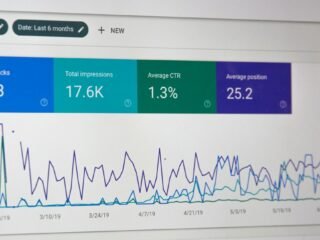
Google Search Console is a Google tool that helps website owners monitor their site's performance in Google Search and check indexing-related information. For finovix.blog/, it should become one of the important tools for tracking: Search queries Impressions Clicks Search performance Indexed pages Possible technical issues
Google Search Central is the official resource. Google recommends creating helpful, reliable, people-first content as part of a strong search strategy.
Final Thoughts
SEO is not simply about putting keywords into an article.Good SEO = Useful content + clear structure + relevant topics + accessible website + understanding your audience.For finovix.blog/, the goal should be to create genuinely helpful Business, Finance and Digital Marketing content that answers real questions people have.Start small, publish useful content consistently, monitor your results and improve your pages over time.Want to learn SEO step by step? Follow finovix.blog/ for more Business, Finance & Digital Marketing guides. 🚀
By applying these On Page SEO techniques consistently, you can create pages that are clearer, more useful, and easier for search engines to understand.


2 comments