






Are you looking for practical ways to attract more customers online? Online marketing helps small businesses connect with potential customers through search engines, social media, email, websites, and digital advertising. For businesses across the United States, a focused strategy can improve visibility, generate leads, and support sustainable growth.
In this guide, you’ll learn what online marketing means, which channels to consider, and how to build a practical plan for your small business.
Table of Contents
- What Is Online Marketing?
- Why Is Online Marketing Important for Small Businesses?
- Types of Online Marketing
- How to Build an Effective Online Marketing Strategy
- Common Online Marketing Mistakes to Avoid
- Frequently Asked Questions About Online Marketing
- Final Thoughts
What Is Online Marketing?
Online marketing is the promotion of products, services, or brands using internet-based channels. It includes search engine optimization (SEO), social media marketing, content marketing, email campaigns, paid advertising, and website optimization.
For example, a local service provider in Texas might improve its website for local searches, share helpful tips on social media, and use email newsletters to keep in touch with subscribers. Each channel supports a different part of the customer journey.
Why Is Online Marketing Important for Small Businesses?
- Reach relevant customers: Connect with people searching for solutions your business offers.
- Build brand awareness: Publish useful content and maintain a consistent online presence.
- Generate leads: Guide visitors toward actions such as requesting a quote or booking a consultation.
- Measure performance: Use analytics to understand traffic, conversions, and campaign results.
- Use resources strategically: Test channels and prioritize those that support your business goals.
Types of Online Marketing
1. Search Engine Optimization (SEO)
Online marketing and SEO help your website appear in relevant organic search results. Create helpful content, use descriptive headings, improve mobile usability, and fix technical issues. A US small business could publish answers to common customer questions and optimize local business information where relevant. Follow Google’s SEO Starter Guide for additional search optimization guidance.
2. Social Media Marketing
Platforms such as Facebook, Instagram, LinkedIn, and TikTok let businesses share educational posts, demonstrate products, answer questions, and build relationships with their audience. Choose platforms based on where your customers spend time.
3. Pay-Per-Click (PPC) Advertising
Paid campaigns on platforms such as Google Ads and Meta Ads can help businesses reach selected audiences. Define a goal, set a budget, create a relevant landing page, and configure conversion tracking before evaluating results.
4. Content Marketing
Blog posts, guides, videos, and tutorials can answer customer questions and demonstrate expertise. Content should solve real problems rather than simply repeat keywords. For more ideas, explore Finovix’s guide to growing your business online with digital marketing.
5. Email Marketing
Email newsletters and useful updates can help you stay connected with people who have subscribed to receive your messages. Provide clear value and follow applicable email marketing and privacy requirements.
6. Website Optimization
Your website should be easy to navigate, work well on mobile devices, load reliably, and explain what you offer. Use clear calls to action such as “Request a Quote” or “Get Started,” and make contact details easy to find.
How to Build an Effective Online Marketing Strategy
- Set a clear goal. Decide whether you want more qualified leads, sales, relevant website traffic, or brand awareness.
- Understand your audience. Identify customer needs, locations, questions, and buying considerations.
- Research keywords. Look for relevant search terms and check US search volume, competition, and search intent with an SEO tool.
- Choose suitable channels. Start with the channels that best match your audience, goals, and resources.
- Create helpful content. Answer questions clearly, use relevant examples, and link to related resources.
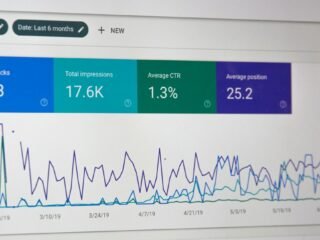
- Track conversions. Use tools such as Google Analytics 4 and Google Search Console where appropriate to review performance.
- Improve gradually. Test changes and use reliable data before increasing budgets or changing the whole strategy.
Common Online Marketing Mistakes to Avoid
- Trying to target everyone instead of defining a relevant audience.
- Publishing content without understanding search intent.
- Sending paid traffic to a confusing or unrelated landing page.
- Measuring clicks and likes but ignoring leads and sales.
- Expecting instant SEO results or guaranteed rankings.
- Trying too many channels at once and spreading resources too thin.
Frequently Asked Questions About Online Marketing
What is the best online marketing strategy for a small business?
It depends on your audience and objectives. SEO, useful content, local search optimization, social media, email, and paid advertising may all help when chosen for the right purpose.
Is online marketing expensive?
Costs vary. Businesses can begin with organic content and other lower-cost activities, while paid advertising requires a planned budget and ongoing measurement.
How long does online marketing take to work?
Some paid campaigns can bring visitors soon after launch, while SEO and content marketing often require sustained effort over months. Results depend on competition, execution, and customer demand.
Final Thoughts
Online marketing gives US small businesses ways to improve visibility, reach relevant audiences, and build stronger customer relationships. Start with a clear goal, understand your customers, create useful content, and measure meaningful outcomes. Focus on a few appropriate channels first, then expand based on what the evidence shows.
Ready to strengthen your online presence? Explore more practical business and marketing insights on Finovix and keep building your digital marketing knowledge.
Educational information only. Marketing results vary by business, audience, competition, and execution.




Leave a comment