





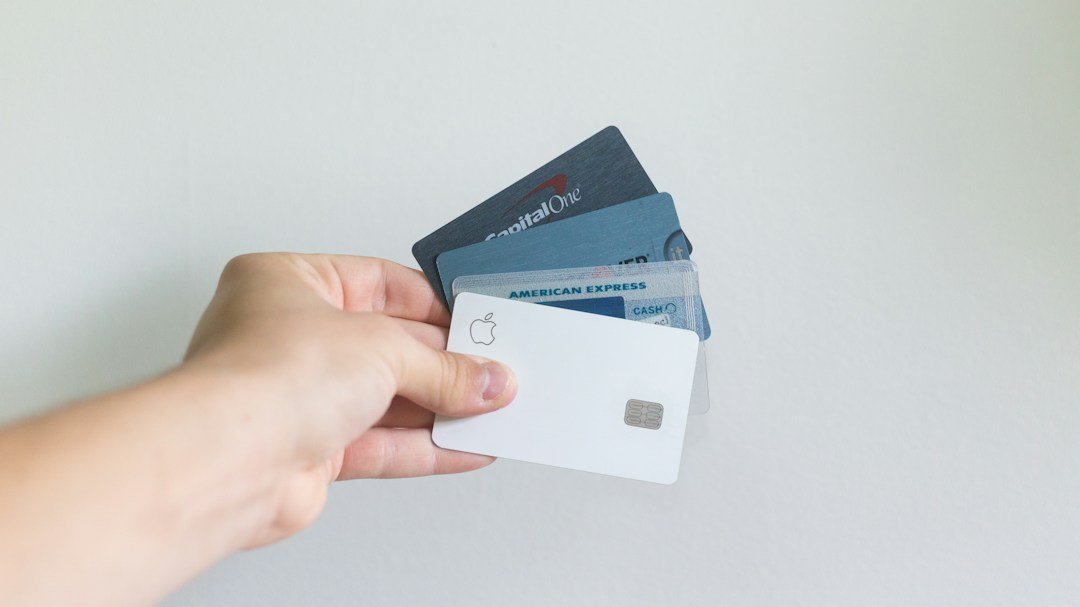
A credit card minimum payment is the smallest amount your card issuer requires you to pay by the due date to keep the account current. Paying the minimum can prevent an immediate missed payment, but it can also leave debt outstanding for a long time and increase total interest cost.
This guide is for general educational purposes only and is not personalized financial or credit advice. Minimum-payment formulas, fees, APRs, and card terms vary by issuer.
What Is a Minimum Payment?
A credit card minimum payment is the required amount shown on your monthly credit-card statement. It may be calculated using a percentage of the balance, a fixed minimum, interest and fees, or a combination of these factors. Check your issuer’s statement so you understand how your credit card minimum payment is determined.
Why Paying Only the Minimum Can Be Expensive
When you pay only the minimum, most of the balance remains unpaid. Interest can continue to accrue on the remaining amount, which can extend the repayment period and increase total borrowing cost.
Minimum Payment vs. Statement Balance
- Minimum payment: the smallest required payment.
- Statement balance: the total balance shown for the billing cycle.
Paying the statement balance in full may help avoid purchase interest when the account has an applicable grace period and all required conditions are met.
Minimum Payment vs. Current Balance
The current balance may include purchases or payments made after the statement closed. It can therefore differ from the statement balance.
Credit Card Minimum Payment: How It Is Calculated
Issuers use different formulas. A minimum may include:
- A percentage of the balance
- Accrued interest
- Fees
- Past-due amounts
- A fixed minimum amount
Always check the statement and card agreement for the exact method used on your account.
What Happens If You Miss the Minimum Payment?
Possible consequences can include:
- Late fees
- Loss of promotional terms
- Negative credit reporting
- Additional interest costs
- Collection activity after extended delinquency
How Interest Affects Minimum Payments
Higher APRs can increase the cost of carrying a balance. Even when the required minimum looks manageable, the total cost can become significant over time.
Read Credit Card APR and Interest Explained.
Smart Ways to Manage a Credit Card Minimum Payment
When affordable, paying more than the minimum can reduce the balance faster and lower total interest cost.
Before directing all available cash to debt, consider maintaining a reasonable emergency buffer so unexpected expenses do not immediately create new debt.
Read Emergency Fund for Beginners.
How to Create a Faster Payoff Plan
- List the balance and APR.
- Keep the minimum payment current.
- Choose a realistic extra-payment amount.
- Automate the payment when practical.
- Avoid adding unnecessary new charges.
- Review progress each month.
For structured repayment methods, read Debt Payoff for Beginners.
Minimum Payments and Promotional APRs
A promotional APR does not normally eliminate the requirement to make monthly minimum payments. Missing a payment can affect the account’s terms depending on the agreement.
Minimum Payments After a Balance Transfer
A transferred balance still requires repayment. Create a payoff target based on the promotional period rather than assuming the minimum payment will eliminate the debt before the offer ends.
Read Balance Transfer Credit Cards.
How Minimum Payments Affect Credit
Making at least the required payment on time helps avoid a missed-payment event, but high revolving balances can still affect utilization and borrowing costs.
Read Credit Utilization Ratio Explained.
What If You Cannot Make the Minimum?
Contact the issuer as early as possible. Some issuers may offer hardship options or temporary payment arrangements depending on the circumstances.
Do not wait until several payments are missed before asking about available assistance.
Official Consumer Resource
The Consumer Financial Protection Bureau provides educational information about credit-card statements, payments, interest, and consumer protections.
Common Minimum-Payment Mistakes
- Assuming the minimum will pay off the balance quickly
- Ignoring interest cost
- Missing the due date
- Continuing to add new charges while paying debt down
- Failing to check when a promotional APR ends
- Using all emergency savings to make one large payment without considering future cash needs
Frequently Asked Questions
Is paying the minimum bad?
Paying the minimum is better than missing the required payment, but relying on minimum payments for a long time can increase interest cost and extend repayment.
Does paying the minimum hurt credit?
Making the required payment on time helps avoid delinquency, but other factors such as high utilization can still affect a credit profile.
Can I pay more than the minimum?
Yes. Paying extra generally reduces the balance faster, subject to the account’s terms.
Does the minimum stay the same every month?
Not necessarily. It can change as the balance, interest, fees, and issuer calculation change.
Related Reading
- Credit Cards for Beginners
- Credit Card APR & Interest
- Balance Transfer Credit Cards
- Debt Payoff for Beginners
Final Thoughts
The minimum payment is a safety floor, not an ideal long-term payoff strategy. When possible, pay more than the minimum, understand your APR, and use a realistic repayment plan that fits your monthly cash flow.




1 comment